
Federalist Papers Book Club
Meetings are on the first, third, and fifth Wednesdays of August through November at the Waterbury Public Library.
6:30 - 8:00 PM, upstairs in the nook
"That frequent recurrence to fundamental principles ... [is] absolutely necessary to preserve the blessings of liberty, and keep government free..." (VT Constitution Art. 18)
About the Papers
The Federalist Papers are a series of essays written in 1787-1788 arguing in favor of ratifying the new proposed US Constitution. They were written by members of the Convention and authors of the Constitution, and present - in their own words - the strongest case they could for the new system.
What the Founders did was unprecedented, and they did the best they could with ideals and reason alone. But now, we have 250 years of experience to guide us on what's working and what's not. The Federalist Papers Book Club will look at these key decisions made at the nation's founding, and how they've played out in practice throughout our history, and in the present day.
Each session will begin with answering questions to understand what these old and often difficult documents are actually saying. We'll then discuss and analyze their arguments, guided by examples from the past 250 years, to answer key questions including:
Has the American experiment worked out like the Federalists thought it would?
What did the Founders predict correctly? What did nobody see coming?
Are we convinced by their arguments? Would we vote to adopt it if we were there at the time?
Would we make the same choices if we were building from scratch today?
About the Authors
James Madison was a Virginia plantation owner and considered the "father of the Constitution." He later became Secretary of State and the fourth US President.
Alexander Hamilton was a New York military officer, lawyer, and banker. He later became Secretary of the Treasury and a Broadway sensation.
John Jay was a New York lawyer and diplomat, and President of the Continental Congress. He later became the first Chief Justice of the Supreme Court and Governor of New York.
All three were members of the Continental Congress and delegates to the Constitutional Convention. They used the pseudonym Publius to honor one of the legendary founders of the Roman Republic.
About the Host
Evan Karl Hoffman is a history enthusiast and member of the Waterbury Select Board. He is passionate about civics education and increasing democratic participation.
Detailed Schedule
August 11th: Should we even have a Union?
Federalist 2 (1662 words) - audio (14:23)
Federalist 3 (1438 words) - audio (12:35)
Federalist 6 (2130 words) - audio (17:16)
Federalist 8 (1986 words) - audio (15:36)
Federalist 10 (2994 words) - audio (23:30)
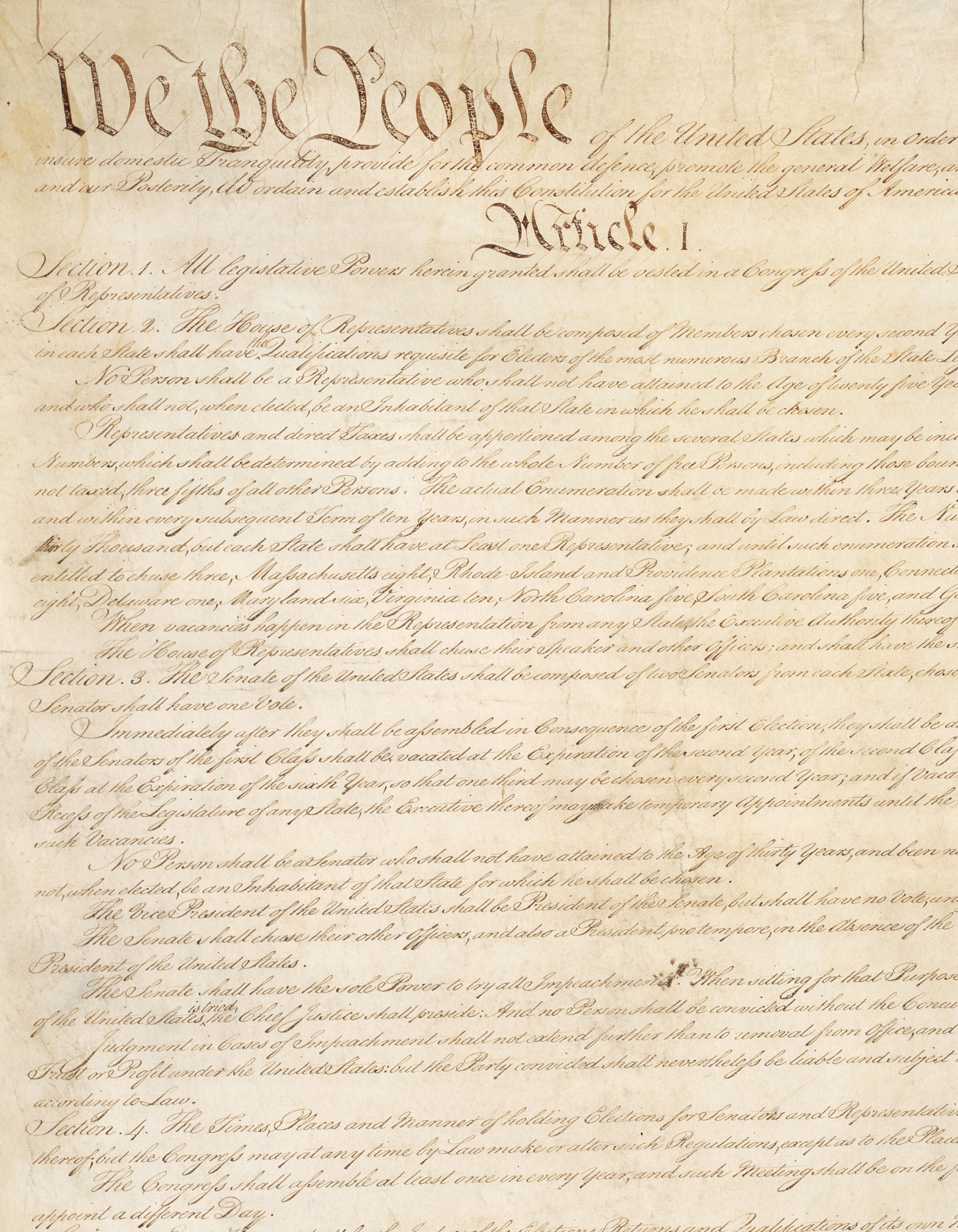
U.S. Constitution, Articles I - VII (4373 words)
Essential reading (10,210 words, 1:23:22)
Federalist 1 - 14:
Federalist 1 (1583 words) - audio (12:34)
Federalist 4 (1626 words) - audio (13:32)
Federalist 5 (1337 words) - audio (11:30)
Federalist 7 (2250 words) - audio (17:32)
Federalist 9 (1980 words) - audio (15:38)
Federalist 11 (2488 words) - audio (19:02)
Federalist 12 (2141 words) - audio (16:29)
Federalist 13 (957 words) - audio (7:41)
Federalist 14 (2136 words) - audio (15:55)
Recommended reading
Do you feel more connected to the state or national government? Do you identify yourself as a Vermonter or an American?
Which level of government is doing a better job? Which are you more informed about?
Do Publius’ arguments support a unified world government? Would that be a good idea?
If you were to split the US into several smaller countries, where would you put the boundaries?
The Enlightenment view of human nature is a recurring theme throughout the papers. Do you agree with the Federalists’ opinion of the electorate? What about the politicians?
Key questions
September 2nd: Problems with the Articles of Confederation
Essential reading (10,139 words, 1:15:51)
Federalist 15 (3073 words) - audio (22:34)
Federalist 16 (2032 words) - audio (15:29)
Federalist 17 (1562 words) - audio (12:25)
Federalist 22 (3472 words) - audio (25:23)
Federalist 27 (1416 words) - audio (11:07)
Recommended reading
Federalist 15 - 23:
Federalist 18 (2085 words) - audio (16:52)
Federalist 19 (2020 words) - audio (16:12)
Federalist 20 (1513 words) - audio (12:42)
Federalist 21 (1991 words) - audio (15:21)
Federalist 23 (1795 words) - audio (13:44)
Key questions
Were the Articles of Confederation really so broken? Could their issues have been fixed without creating an entirely new system?
Did the Convention go beyond its approved mandate? Was it justified to do so?
Many modern international organizations, particularly the EU, NATO, and to some extent the UN, operate more or less as confederations. NATO is funded and manned by voluntary requisitions from member states, and the EU operates through unanimous consent, and depends on its member states to implement EU law through their own legislative process. Does the success of these organizations disprove the Federalists’ argument that confederacies are doomed to failure? Or do their inefficiency and strained institutions prove the Federalists right, and it’s only a matter of time before they’re either reformed or collapse?
September 16th: Federal powers, the military, and taxation
Essential reading (9,707 words, 1:13:57)
Federalist 25 - 36:
Federalist 24 (1817 words) - audio (14:03)
Federalist 28 (1588 words) - audio (12:18)
Federalist 29 (2232 words) - audio (16:32)
Federalist 30 (1962 words) - audio (14:45)
Federalist 31 (1728 words) - audio (13:10)
Federalist 32 (1482 words) - audio (11:37)
Federalist 34 (2209 words) - audio (16:17)
Federalist 36 (2727 words) - audio (19:52)
Recommended reading
Key questions
September 30th: Federalism and checks & balances
Essential reading (17,310 words, 2:10:38)
Recommended reading
Federalist 37 - 51:
Federalist 37 (2709 words) - audio (21:56)
Federalist 40 (3013 words) - audio (23:18)
Federalist 41 (3549 words) - audio (26:40)
Federalist 42 (2776 words) - audio (20:35)
Federalist 43 (3434 words) - audio (25:28)
Federalist 47 (2740 words) - audio (20:45)
Federalist 49 (1644 words) - audio (12:37)
Federalist 50 (1102 words) - audio (9:12)
Key questions
October 7th: the executive
Essential reading (6,591 words, 48:54)
Recommended reading
Federalist 67 - 77:
Federalist 67 (1636 words) - audio (13:00)
Federalist 69 (2739 words) - audio (19:12)
Federalist 71 (1701 words) - audio (12:27)
Federalist 73 (2343 words) - audio (16:51)
Federalist 74 (996 words) - audio (7:42)
Federalist 75 (1938 words) - audio (14:16)
Federalist 76 (2296 words) - audio (14:08)
Federalist 77 (1969 words) - audio (14:25)
Key questions
October 21st: Congress
Essential reading (18,272 words, 2:17:40)
Federalist 53 (2162 words) - audio (16:43)
Federalist 54 (1995 words) - audio (15:24)
Federalist 55 (2034 words) - audio (15:18)
Federalist 56 (1560 words) - audio (11:52)
Federalist 58 (2083 words) - audio (15:46)
Federalist 59 (1899 words) - audio (13:57)
Federalist 64 (2305 words) - audio (17:57)
Federalist 65 (2014 words) - audio (14:35)
Federalist 66 (2220 words) - audio (16:08)
Recommended reading
Key questions
October 21st: the judiciary & conclusion
Essential reading (8,725 words, 1:03:18)
Recommended reading
Federalist 52 - 66:
Federalist 78 (3011 words) - audio (21:48)
Federalist 80 (2450 words) - audio (18:31)
Federalist 82 (1532 words) - audio (11:28)
Federalist 83 (5705 words) - Part 1 audio (22:36), Part 2 audio (19:19)
Federalist 85 (2657 words) - audio (19:33)
U.S. Constitution, Amendments 1 - 27 (3089 words)
Key questions
How did you feel hearing the Federalists defend things that have already been amended out (such as indirect election of senators)?